
Introduction
Asian brides often go beyond choosing a wedding outfit. It’s about respecting centuries of history, adding their own flair, and wearing storytelling apparel. Asian wedding dresses are unique in their symbolism, art, and eternal beauty. Reds dominate Chinese and Indian weddings, while Japanese kimonos are exquisite. In the modern era, designers are merging old and contemporary styles to commemorate the past while appealing to modern brides.
The Historical Significance of Asian Bridal Attire
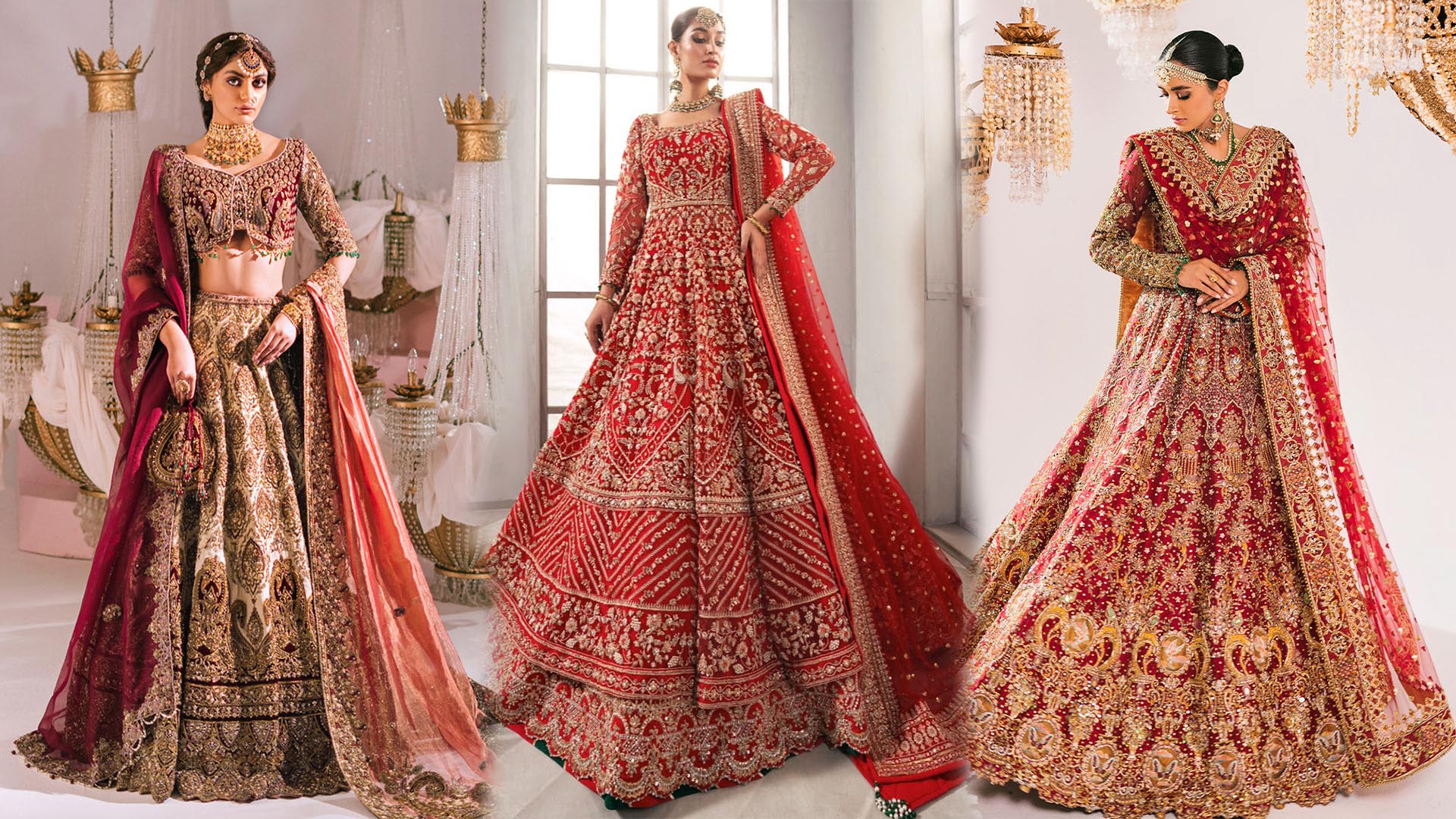
Knowing the history of bridal dress may help us comprehend its cultural significance. Red has always symbolised joy and luck in China. Dragons and phoenixes on qipaos symbolise marital harmony. Deep crimson or maroon Indian wedding dresses with intricate gold embroidery symbolise prosperity, spirituality, and good beginnings. Japanese brides wear shiromuku, a white kimono, to symbolise purity and new beginnings. Its ceremonial wear dates back centuries. In Asia, bridal clothing has traditionally told stories and led people spiritually. Every stitch supports family and culture.
The Role of Colour in Asian Bridal Fashion
Asian wedding gowns use colour for a reason. Red is the most popular hue because it symbolises happiness, luck, and marriage. Elegant and rich gold accents enhance everything. In Japanese marriages, white symbolises purity. Pastel or jewel tones bring energy, pleasure, and vibrancy to Southeast Asian events.
Today, brides wear roses, blushes, and even metallic tones while maintaining traditional significance. This careful balance of tradition and personal style helps brides wear essential and new outfits.
Contemporary Adaptations of Traditional Styles
Modern bridal gown blends old and contemporary. Reception qipaos may feature lace overlays or softer hues. Indian lehengas may include asymmetrical drapes or lighter materials for mobility. Kimono-inspired gowns use Western ball gown forms and traditional shapes to seem lovely and respectful of other cultures.
These adaptations demonstrate that modern brides demand elegance, comfort, and expression. Every fold, drape, and cut preserves heritage while adapting to new events.
Hairstyles and Makeup Trends in Asian Bridal Looks
The bride’s vision is realised with hair and makeup. Traditional styles feature elaborate updos, buns, and braids. They sometimes have diamonds or flowers. Relaxed waves, delicate buns, and floral hats with minimal decorations are popular today. Makeup may be bold or delicate. It should match the bride’s outfit and characteristics.
Current practices ensure brides look sophisticated during long ceremonies, photo sessions, and celebrations while honouring ethnicity.
Cultural Accessories and Symbolism
Asian bridal fashion accessories are equally significant as clothing. Phoenix coronets, beaded hairpieces, and beautiful jewels enhance the ceremonial dress and symbolise blessings, protection, and marriage compatibility. Layered necklaces, bangles, and maang tikkas are common on Indian brides. However, Japanese brides can wear obi ribbons and kanzashi hair ornaments.
Every item is carefully chosen to match the costume, highlight hues, and reinforce cultural tales. Brides are the major characters in real cultural traditions, and their costumes and accessories communicate stories.
Fusion Weddings and Cross-Cultural Inspirations
As the world gets more linked, more couples are mixing cultures in their weddings, creating unique fusion bridal fashions. Lace overlays, tulle skirts, and simple forms let brides merge Asian and Western styles. This hybrid design allows brides to celebrate their heritage while embracing modern fashions. This unique design reflects their family beliefs and identity.
Inspiration from other cultures has also influenced accessory choices. Traditional jewellery pairs with modern shoes, wallets, and veils. Makeup and hairstyle trends reflect global patterns while honouring cultural values. It creates a cohesive and attractive wedding appearance. Fusion weddings demonstrate how traditional Asian wedding styles can adapt to modern life without losing their identity.
Preserving Tradition in a Modern Era
Cultural traditions guide Asian bridal wear, even when designs change. Modern brides mix classic colours, materials, patterns, and accessories in innovative ways. Designers honour these historical traits while integrating elements that make dresses easier to wear, photograph, and move in.
This balance ensures every bridal attire tells a story that values family, culture, and personal style while making the event distinctive. Tradition and modernism blend perfectly, enabling the bride to appreciate her past while confidently going forward.
Last Thoughts
Asian bridal fashion is unique because it integrates art, meaning, and culture. The outfits combine the history of tradition with modernity. Traditional attire, intricate needlework, symbolic hues, ornaments, and modern alterations are included. A classic qipao, lavishly embellished lehenga, or kimono-inspired gown may give brides a timeless and unique look. Modern women may love themselves, appreciate their culture, and marry with elegance and confidence by attempting these styles. Asian bridal dress continues to inspire, combining tradition and modern style.
Also, read: What Are the Best Eid Dresses for Kids This Year?