

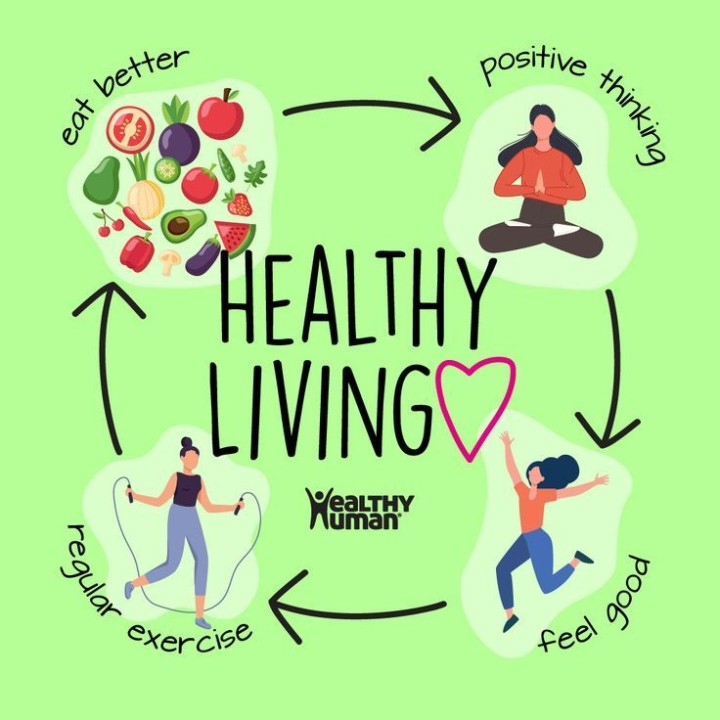
Nowadays there is a lot of rush in the world and it seems that being physically, mentally, and emotionally healthy is daunting. How can we forget about our well-being when we have stressful work schedules or cannot stop thinking about our constant digital distractions? Wellness tips will come to that place. Adding some simple but effective habits to your everyday routine can help you to become more energetic, less stressed, and enjoy your life overall. This guide offers wellness tips that are based on the sciences, practical and easy to adopt and maintain in the long term.
They are everyday life strategies to students, working people, or parents. At the conclusion of this article, you will have some steps that you can take to become more balanced, energized, and mindful.
Focus on Physical activity.
The fundamental pillar of wellness is exercise. Exercising will not only maintain a strong body, but also keep your mind sharp. The specialists prescribe at least 150 minutes of moderate aerobic exercises weekly with strength training two times a week.
Examples of wellness advice on how to be active would be: walking on breaks, standing desk, dancing or cycling, etc. It is small daily measures like using the stairs instead of the elevator that add up. It is more about doing something every day than doing it hard.
Problem: Sarah is a busy marketer who had to begin walking 15 minutes each day after lunch. After one month, she became more energetic, and she was not as stressed at work.
Feed Your Body with Well-Balanced Nutrition.
A balanced diet is a healthy one that is energizing the body and the mind. Cook with lots of fruits, vegetables, low fat sources of protein, whole grains, and healthy fat. Excessive sugar, too much caffeine use, and avoiding highly processed foods should be avoided.
Meal prep: Packing your meal and having healthy snacks close by: the best way to be well-nourished is by planning in advance. Thinking of the food you are eating can also help avoid eating too much, and making sure that you pay attention to hunger cues and enjoy each bite.
Practical implementation: Replacing sweeter beverages with infused water or herbal tea will not only cut down on the amount of sugar consumed, but will also help people stay hydrated, digest better, and concentrate better.
Make Sleep the Priority to Wellness.
Sleep is not always a part of the wellness program, but it is necessary to physically recover, have clarity of mind, and emotional strength. The average adult requires 7-9 hours of sleep daily.
In order to have a better sleep, some of the wellness strategies include having a consistent bedtime, avoiding exposure to screens before going to sleep, and making the sleeping environment relaxing. The use of blue-light filters, blackout curtains, and calming bedtime habits, e.g. reading or meditating, can create a tangible change.
Example: James is a software engineer who began to close the screens an hour before sleep and engage in deep breathing. The quality of his sleep was better and made him more focused and moody throughout the day.
Stress-Free with Mindfulness Meditations.
Stress is normal, however, when under continuous stress, your body and mind may be damaged. Meditation, deep breathing, or yoga exercises as a form of mindfulness can alleviate anxiety and improve mental integrity.
Stress management tips on wellness:
Meditating or doing guided breathing would take 10-15 minutes a day.
Have an appreciation journal to concentrate on the good things in life.
Go on short nature walks to re-orient your mind.
Comparison: When most wellness books offer general stress management solutions, mindfulness is the technique that targets the cause of tension, as opposed to its symptoms, and is beneficial in the long run.
Foster Social Connections
People are social and significant relationships are important regarding emotional health. Loneliness and isolation may have destructive effects on mental and physical health.
Connection building wellness tips:
- Arrange frequent get-together with friends or family members.
- Join neighborhood associations, Internet groups or volunteering organizations.
- Active listening should be done in conversations to build relationships.
Scenario: Maya is a freelance designer who has been recruited to a local art community. She was able to have a support network and this decreased the stress and enhanced creativity.
Hydration and Its Effects on Wellness.
Water plays a crucial role in almost all the body processes such as digestion, circulation and temperature regulation. Dehydration may cause fatigue and headaches as well as loss of concentration.
- Wellness hint on good hydration:
- Store a reusable water bottle with you.
- Take a glass of water prior to eating to help in digestion.
- Add hydrating foods such as watermelon, cucumber and oranges.
Real-life experience: Both athletes and office workers confirm that hydration is the key to improved concentration, less fatigue during the day, and even skin condition.
Cognitive Wellness and Mental Fitness.
Physical wellness is not much better than mental wellness. Stimulating your brain will help avoid aging effects, enhance concentration and elevate mood.
Mental fitness wellness tips:
- Read or take up new interests.
- Play strategy games or puzzles.
- Training new abilities, e.g. a language or a musical instrument.
Scenario: David is a retired teacher who began to study Spanish online. Other than the fun, he observed enhancement of memory and problem solving abilities.
Digital Disconnection to Live a Better Life.
Regular screen time has an impact on sleep, concentration, and mood. A break with digital devices is a way of rest and you have less stress.
Digital detox wellness tips:
- Devote some evenings to tech.
- Avoid using devices in bed.
Do something offline such as reading, journaling or cooking.
Competitor Gap: A lot of the leading articles address digital detox in a shallow manner. The combination of practical steps and examples will help to make sure that the readers are able to apply changes right after reading the book which will increase the engagement.
Investigation: DIY wellness can be used to initiate health practices, but expert advice would be more accurate and do so with more profound health issues. A combination of both styles usually works out the most.
Advantages and Disadvantages of a Lifestyle that is Wellness-Based.
Knowledge of advantages and drawbacks contributes to the management of expectations.
Pros:
- Better physical and mental wellbeing.
- More energy and productivity.
- Less exposure to chronic diseases.
- Improved mood and mood stability.
Cons:
- Primary time expenditure to develop habits.
- Needs a sense of discipline and consistency.
- May have experimented to identify the appropriate routine.
Hint: Be small and build up on your wellness. This will make it sustainable and avoid burnout.
Practical Applications of Wellness Ideas.
Wellness is not a theory but has concrete benefits in life:
In the office: even brief workouts increase concentration and decrease sleepiness.
At Home: Eating well enhances digestion and obesity.
Social Life: Tighter bonds make people happier and with less stress.
Mental Health: Journaling and meditation enhance clarity and emotional strength.
These wellness tips when incorporated consistently make daily practices healthy and more rewarding.
FAQs About Wellness Tips
Q1: What should I do to begin to feel better about my wellness?
Begin with a single change, such as that of drinking more water or taking a 10-minute walk. When implementing change, add new practices gradually every week.
Q2: Wellness tips are exclusive to unhealthy individuals?
Not at all. Wellness tips are useful to all people, both health and sick, since they bring about general balance and setbacks are avoided.
Q3: What is the frequency with which I am supposed to check my wellness routine?
It is best to check-in weekly or monthly. Evaluate what is working or what is not working and make changes to suit your lifestyle change.
Q4: Am I able to adhere to wellness guidelines on a strict schedule?
Yes! Some of the tips such as mindful breathing, short walks, and hydration will require only a few minutes but will have great benefits.
Q5: Are wellness tips expensive or need membership?
No. A majority of wellness activities, including walking, journaling, and meditation, are cheap or free. Strategies are good, even DIY strategies can be guided by professionals.
Conclusion:
Wellness tips are not necessarily complex and time-consuming to implement in everyday life. Whether it is a matter of physical activity and nutrition, mental health, sleep, and mindfulness, small regular steps produce significant outcomes. With the help of proper self-care, cultivating social relationships, and paying attention to your habits, you will be able to have more vitality, greater concentration, and emotional stability.
It is a life long process and not a fix. Begin with simple achievable steps, monitoring the progress and changing strategies in line with your lifestyle. The few tips that are mentioned here with patience and consistency can make your everyday life healthier, happier and more fulfilling.