
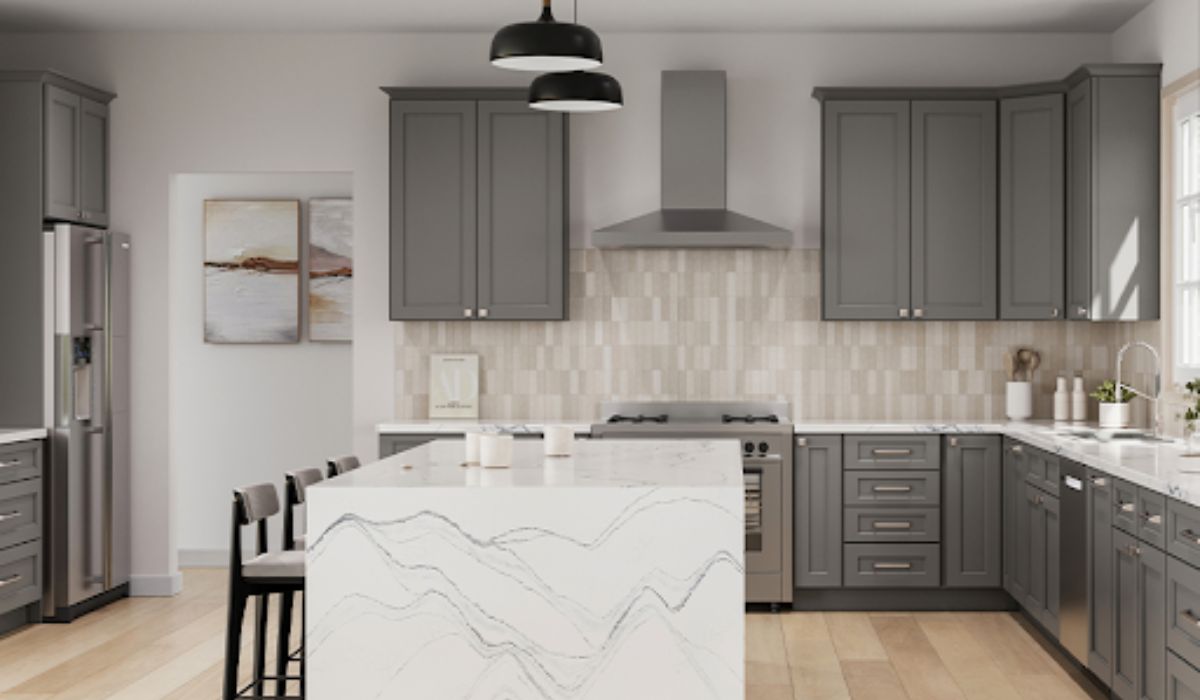
Open shelving has become one of the hottest trends in kitchen design. Homeowners across Milwaukee, WI, and beyond are embracing this fresh approach. It creates visual interest while keeping everyday items within easy reach. The best part? You don’t have to choose between open shelves and traditional closed storage. Mixing both styles gives you the perfect balance of function and beauty. This guide will show you creative ways to style open shelving alongside your existing cabinets. You’ll discover display techniques, organization tips, and styling secrets that work.
Open Shelving vs. Closed Cabinets
Open shelves serve a completely different purpose than closed cabinets. They’re perfect for displaying beautiful dishes, glassware, and decorative items. You get to showcase your personality while making frequently used pieces accessible. Open shelving breaks up solid walls of cabinetry and adds depth to your kitchen.
Closed cabinets still have their place, though. They hide everyday clutter and less attractive items. They protect contents from dust and grease. They create those clean, streamlined areas that make kitchens feel organized.
The secret is finding the right balance. Many designers recommend an 80/20 rule. Keep 80% of your storage closed and use 20% for open displays. This prevents your kitchen from feeling cluttered while giving you room to showcase special pieces. Strategic placement matters more than the exact ratio.
Planning Your Open Shelving Layout
Location makes all the difference when adding open shelves. Near the sink works beautifully for dish displays. Above coffee stations keeps mugs and supplies handy. Flanking windows or ranges creates symmetry and visual interest. End-of-counter displays utilize otherwise wasted space.
Shelf depth matters too. Standard depths run between 8 and 12 inches. Shallow shelves work for dishes and glassware. Deeper shelves accommodate cookbooks and larger items. Space shelves 12 to 15 inches apart vertically. This allows room for most standard items while maintaining good proportions.
Coordinate your open shelves with existing cabinetry. Matching wood tones creates a cohesive look. Sometimes contrasting styles work better for added interest. Consider how natural light hits different areas. Good lighting makes displays shine. Under-shelf LED strips add drama and functionality.
What to Display on Open Shelves
Your open shelves deserve thoughtful curation. Everyday dishware makes practical sense. Pretty plates, colorful mugs, and serving platters earn their keep. Stack them artfully with larger pieces in back and smaller ones in front. This creates depth and visual appeal.
Glassware collections look stunning on open shelves. Wine glasses, vintage finds, and cocktail glasses catch the light beautifully. Organize by size and type for a cohesive look. Group similar items together rather than scattering them randomly.
Cookbooks add personality and color. Stack some vertically and lay others horizontally. Create small vignettes by mixing books with other objects. A vintage cookbook collection tells your culinary story.
Don’t forget decorative objects. Vases, cutting boards, and small potted plants bring life to shelves. Framed prints or artwork add personal touches. Rotate seasonal items to keep displays fresh. When shopping for quality kitchen storage solutions, consider pieces that work both functionally and aesthetically. Many homeowners discover that fabuwood kitchen cabinets provide the perfect foundation for mixing closed storage with open shelving.
Styling Techniques for Visual Appeal
The rule of threes creates naturally pleasing arrangements. Group items in odd numbers like three or five. Vary heights and sizes within each grouping. This creates visual triangles that guide the eye naturally.
Layering adds depth to flat shelves. Arrange items front to back rather than in single lines. Overlap pieces slightly. Place taller items behind shorter ones. This dimensional approach prevents boring, flat displays.
Negative space matters as much as what you display. Leave breathing room between groupings. Avoid cramming every inch of shelf space. Strategic empty areas give eyes a place to rest. Less truly is more when styling open shelving.
Mix textures for added interest. Combine smooth ceramics with rough wood. Pair glass with metal accents. Mix matte and glossy finishes. This tactile variety makes displays more engaging even from across the room.
Open Shelving Styles for Different Kitchen Aesthetics
Modern minimalist kitchens benefit from clean lines and simple displays. Choose sleek floating shelves with hidden brackets. Stick to monochromatic color schemes. Display minimal objects for maximum impact. Every piece should serve a purpose.
Farmhouse kitchens embrace reclaimed wood shelving and vintage dishware. Mason jars, canisters, and collected pieces create that warm, lived-in feeling. Don’t worry about everything matching perfectly. The slightly imperfect look adds character.
Industrial style kitchens shine with metal pipe shelving and raw wood planks. Display utilitarian objects that double as decor. Think enamelware, vintage scales, and commercial-grade storage containers. This urban loft aesthetic works especially well in converted spaces.
Traditional kitchens call for ornate bracket supports and elegant displays. Showcase fine china and heirloom pieces. Create symmetrical arrangements. This classic approach never goes out of style.
Practical Organization Tips
Keep frequently used items on the most accessible shelves. Daily dishes, coffee essentials, and cooking oils should live in prime real estate. Reserve harder-to-reach shelves for decorative items or occasionally used pieces.
Create functional zones on your shelves. Dedicate one area to beverages, another to baking supplies, and another to serving pieces. This makes finding things intuitive. You’ll spend less time searching and more time cooking.
Maintenance matters with open shelving. Be realistic about cleaning expectations. Items near cooking areas collect grease faster. Choose wipeable surfaces when possible. Dust regularly but don’t stress about perfection. A quick weekly wipe-down usually suffices.
Rotate items seasonally to keep displays interesting. Core pieces can stay year-round. Swap accent items every few months. This gives you chances to deep clean while refreshing your look. Many Milwaukee homeowners find this approach keeps kitchens feeling current without major renovations.
Styling Ideas for Milwaukee Kitchens
Start by shopping your home before buying anything new. You probably own beautiful pieces hiding in closed cabinets. Move them to open shelves for instant impact. This zero-cost refresh can completely transform your kitchen’s look.
Thrift stores and vintage shops offer treasure troves of unique pieces. Hunt for interesting dishware, glassware, and decorative objects. Mixing old and new creates collected-over-time looks that feel authentic. Budget-friendly character beats expensive matching sets.
Get creative with DIY display items. Paint inexpensive containers to match your color scheme. Create custom labels for canisters. Handmade touches add personality that money can’t buy. Your creativity becomes the design element.
Plants offer affordable styling power. Nurseries offer endless plant options at low prices. Potted herbs serve double duty as decor and cooking ingredients. Succulents need minimal care while adding life and color. When searching for cabinets near me in Milwaukee, you’ll find many local showrooms display open shelving ideas alongside traditional cabinetry.
Common Mistakes to Avoid
Overcrowding ruins even the best shelving design. Too many items create visual chaos. Leave breathing room between groupings. Edit ruthlessly. If removing an item improves the overall look, take it away.
Inconsistent styling confuses the eye. Random unrelated objects lack cohesive themes. Choose a color story and stick with it. Create intentional displays rather than random collections. Every item should feel purposeful.
Don’t sacrifice practicality for looks. Displaying items you never use wastes valuable space. Items should work as hard as they look good. Form and function should work together, not against each other.
Poor lighting leaves displays in shadows. Add under-shelf lighting or spotlights. Good lighting showcases your carefully curated collections. It creates ambiance while improving functionality.
Neglecting maintenance makes beautiful displays look shabby. Dust regularly. Replace broken or chipped pieces. Update seasonal items. A little regular attention keeps open shelving looking intentional and fresh.
Maintaining and Cleaning Open Shelves
Develop quick daily habits. Spot clean as needed throughout the week. Wipe up spills immediately. Return items to their proper places after use. These small actions prevent bigger cleaning jobs later.
Schedule monthly deep cleaning sessions. Remove everything from shelves. Wash items in hot soapy water. Clean shelf surfaces thoroughly. This gives you chances to reorganize and refresh displays. Most people find this takes 30 minutes per shelf section.
Accept that kitchen environments create grease buildup. Place decorative items away from heavy cooking areas. Choose wipeable surfaces when possible. Protective sealants on wood shelves make cleaning easier. Set realistic expectations about maintenance requirements.
Conclusion
Open shelving offers endless creative possibilities when paired with traditional cabinets. The key is balancing function with beauty. Start small with one section of shelving. Build confidence as you discover what works in your space. Mix practical everyday items with decorative pieces you love. Experiment with different arrangements until something feels right. Your kitchen should reflect your personality while serving your needs. With these styling techniques, you’ll create displays that look professionally designed while staying uniquely yours. The perfect combination of open shelves and closed cabinets transforms ordinary kitchens into extraordinary spaces.
FAQs
How deep should open kitchen shelves be?
Most open shelves work best between 8 and 12 inches deep. Shallow shelves suit dishes and glassware. Deeper shelves accommodate larger items and cookbooks.
How do you keep open shelves from looking cluttered?
Use the rule of threes for groupings. Leave negative space between items. Edit regularly and remove pieces that don’t serve a purpose.
Are open shelves still in style?
Yes, open shelving remains popular in modern kitchen design. The trend has staying power because it balances function with aesthetics beautifully.
Also, read: How to Perform a Security Audit for Small Business Areas